I am a Senior Applied AI/ML Scientist with 6+ years of experience delivering production AI products across finance, telecom, and music. My recent work includes building multi-agent document intelligence, hybrid visual-lingual signature authentication, and scalable music foundation models with extended context.
I turn research into products by combining deep learning, graph-based reasoning, and large-language-model engineering. I enjoy building robust MLOps pipelines, deploying inference-ready systems, and helping teams adopt modern AI tooling.
I hold a PhD in Computer Science from the University of Warwick and collaborate across industry and research to solve hard AI challenges with practical impact.
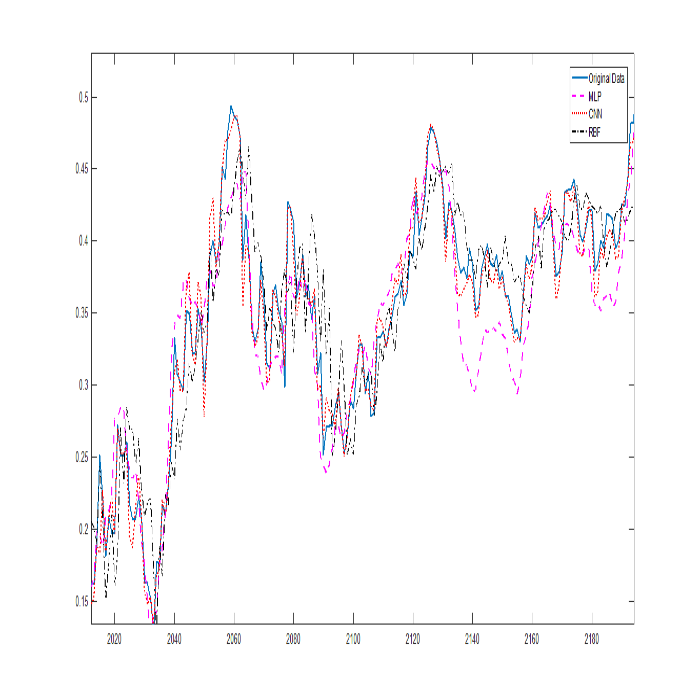
Prior to Warwick, I studied MSC and BSC at the University of Tehran in the ECE Department, Iran. In my master's program, I worked on using deep learning models to predict stock prices. Throughout my master’s, I implemented and designed many deep learning models for different tasks.
I received my diploma in Physics and Mathematics from Shahid Beheshti, under the supervision of NODET (National Organization for Developing Exceptional Talents).
I was born in a beautiful city, Shahrekord in Iran (you can see some photos here). I’ve spent 25 years of my life in Iran, which has imparted great skills and memories.
JPMorgan Chase, London, UK — 2024–Present
Emergesound.ai, Remote — 2024–Present
Nokia, Reading, UK — 2022–2024
DeepMirror, Cambridge, UK — 2021–2022
Google AI, Collaboration — 2021
Intel AI Lab, San Diego, CA — 2020
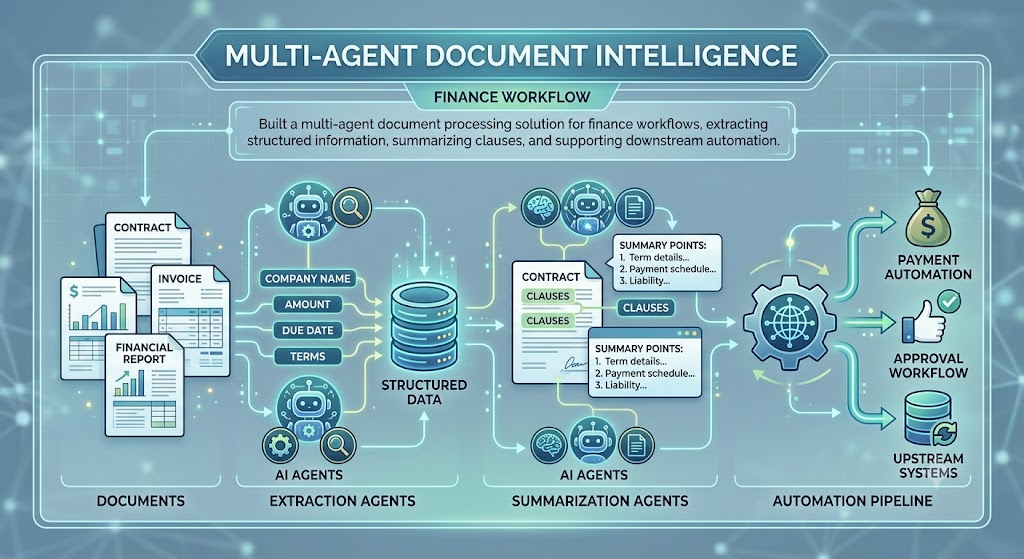
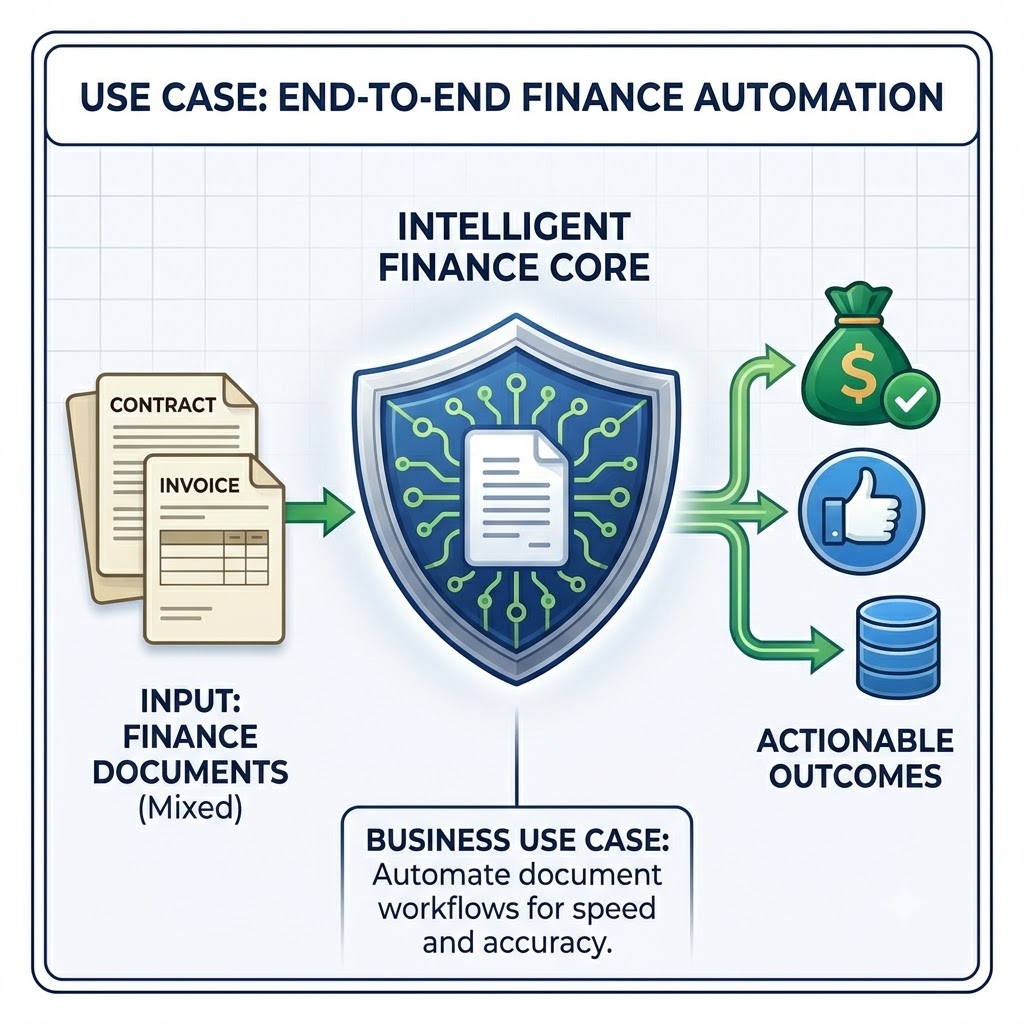
Built a multi-agent document processing solution for finance workflows, extracting structured information, summarizing clauses, and supporting downstream automation.
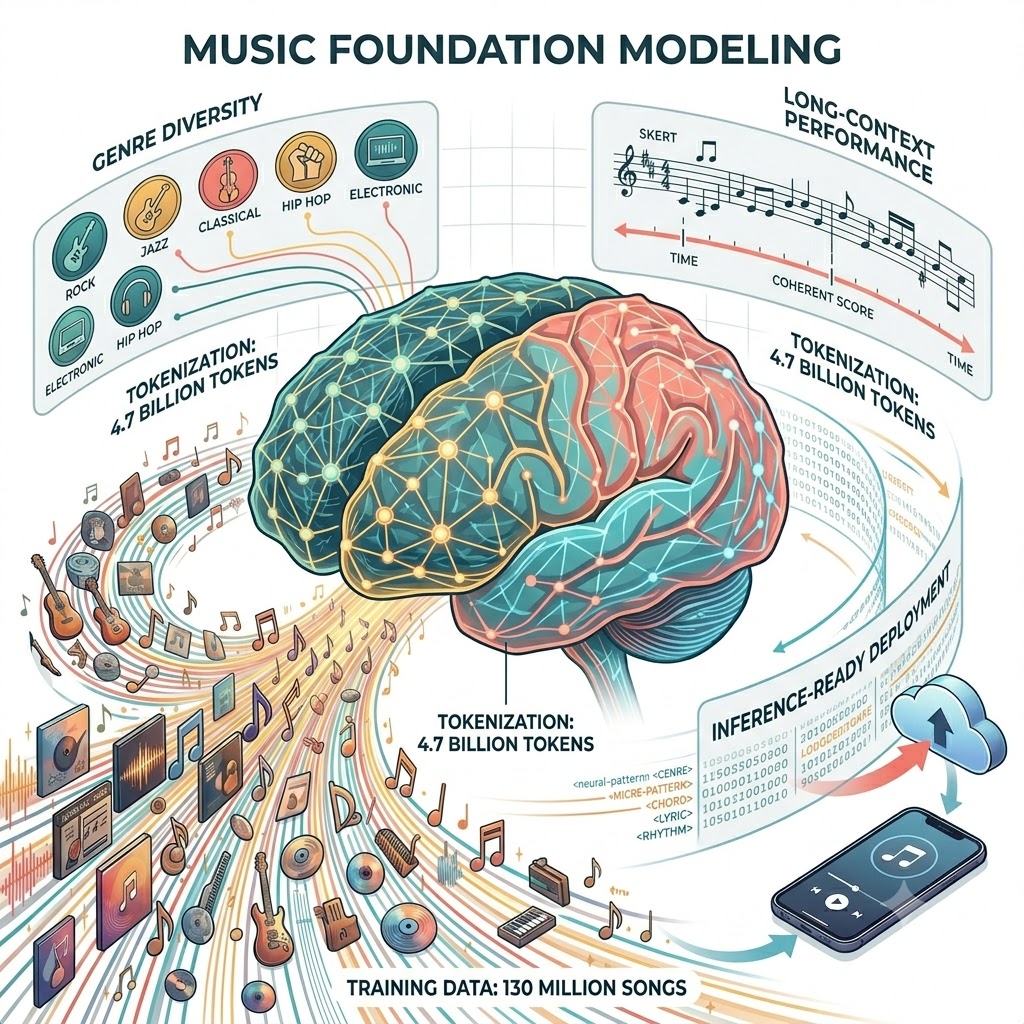
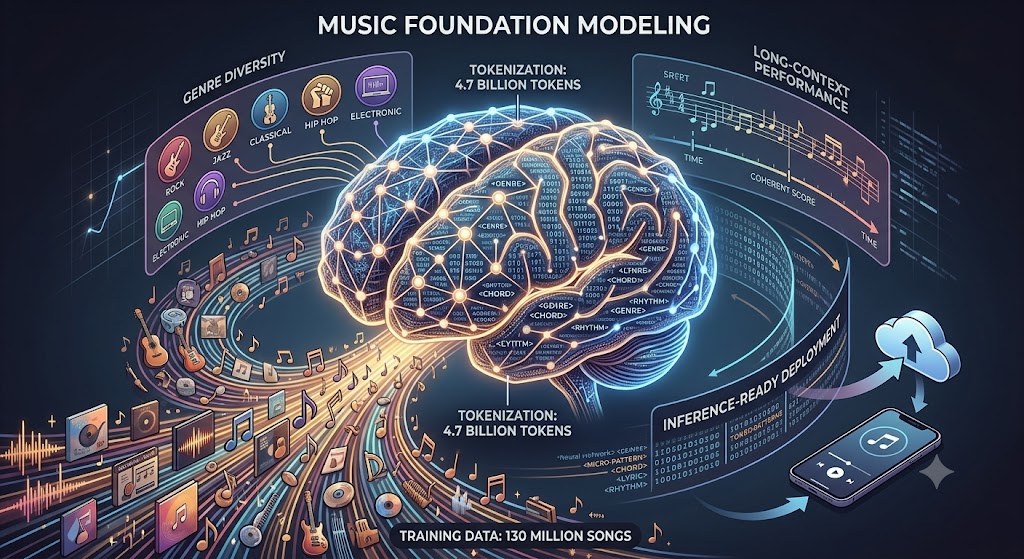
Designed and trained a music foundation model on 130M songs and 4.7B tokens, with a focus on genre diversity, long-context performance, and inference-ready deployment.
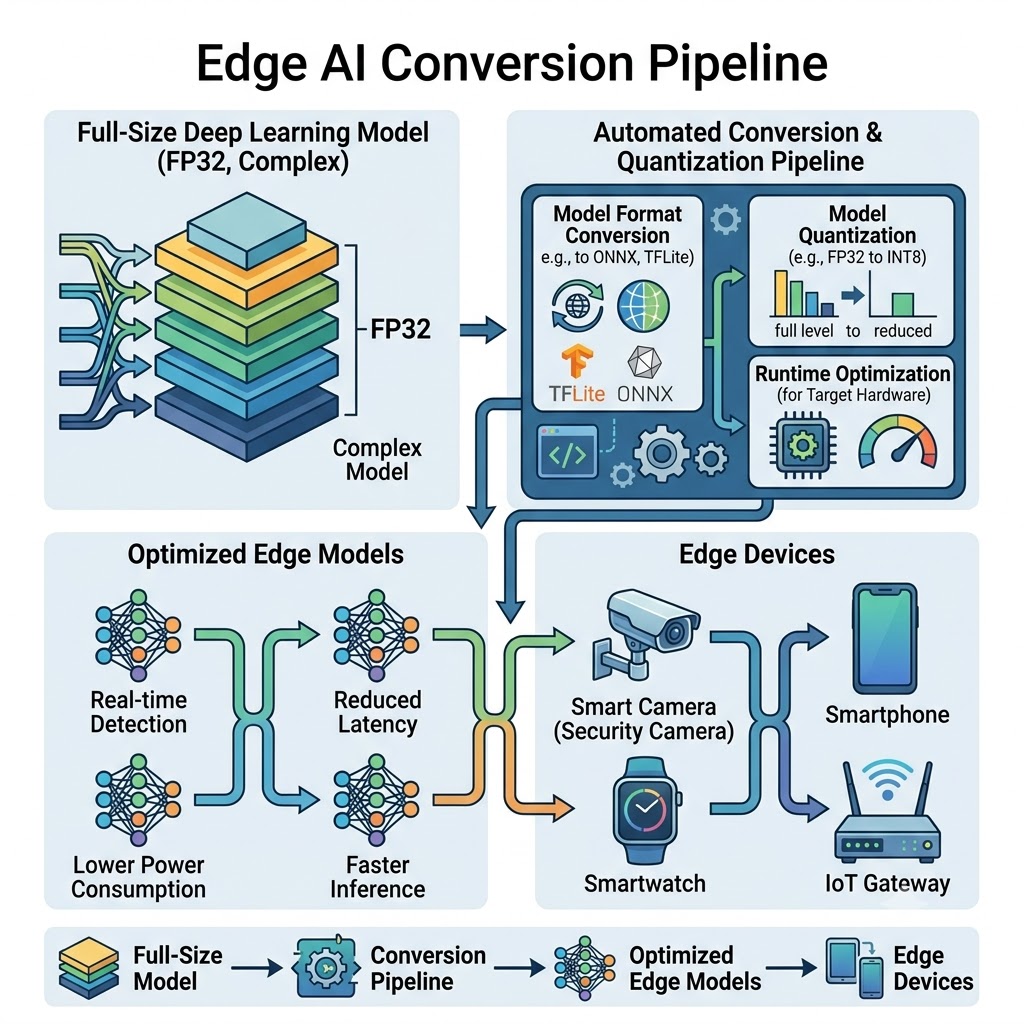
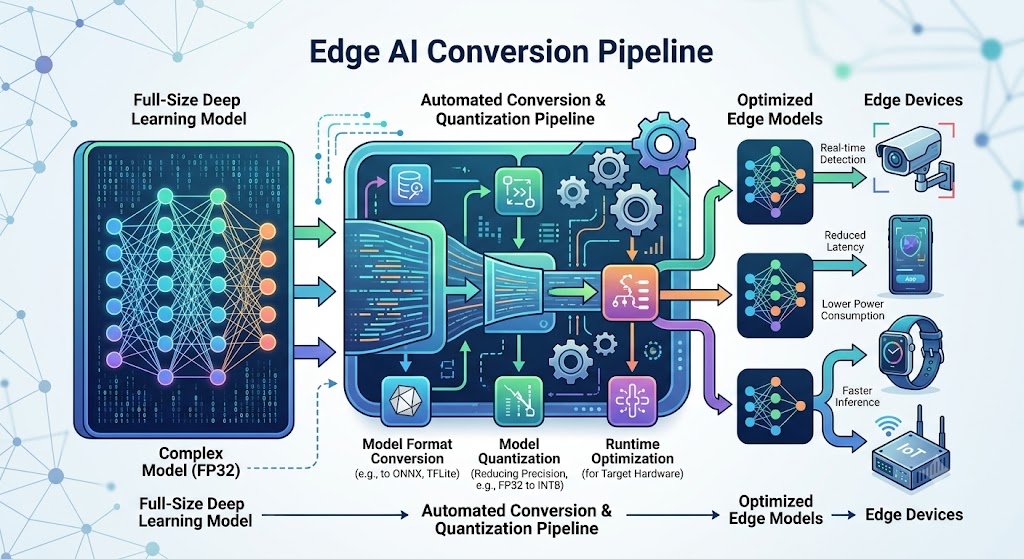
Built a scalable model conversion and quantization pipeline to prepare deep learning models for edge inference, with support for optimized hardware runtimes and deployment automation.
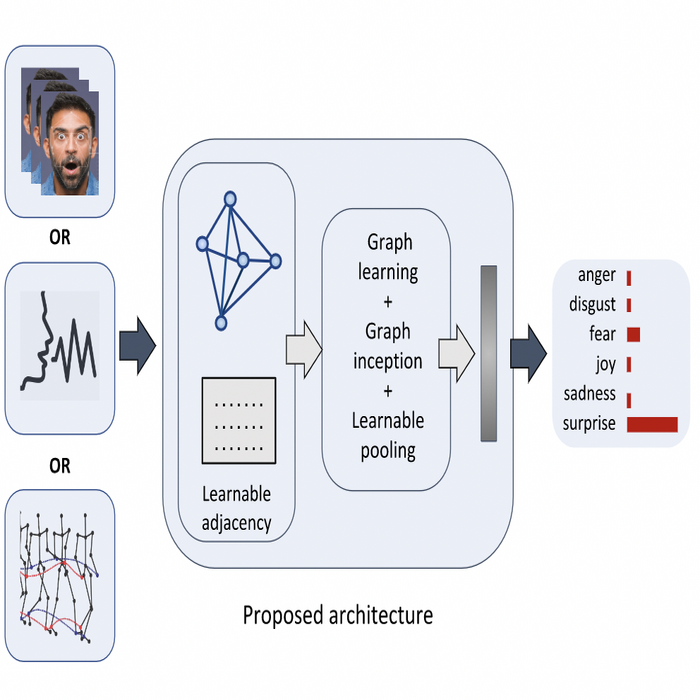
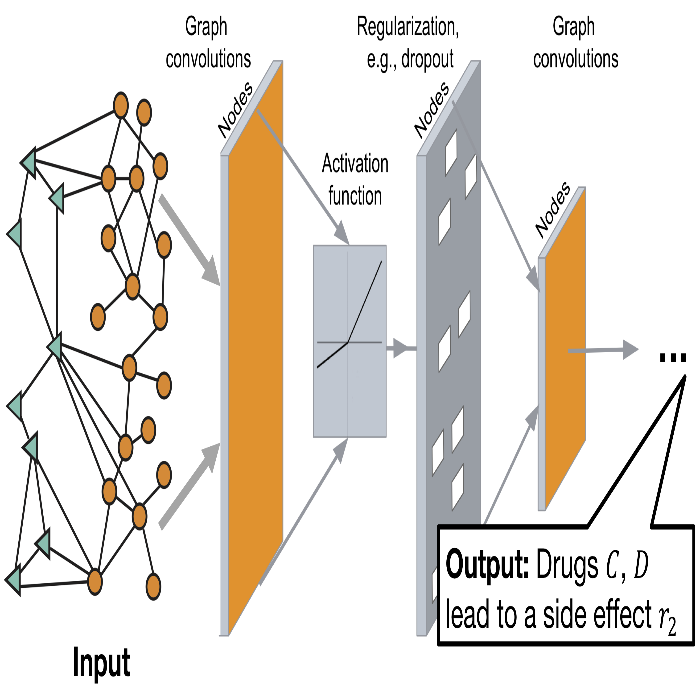
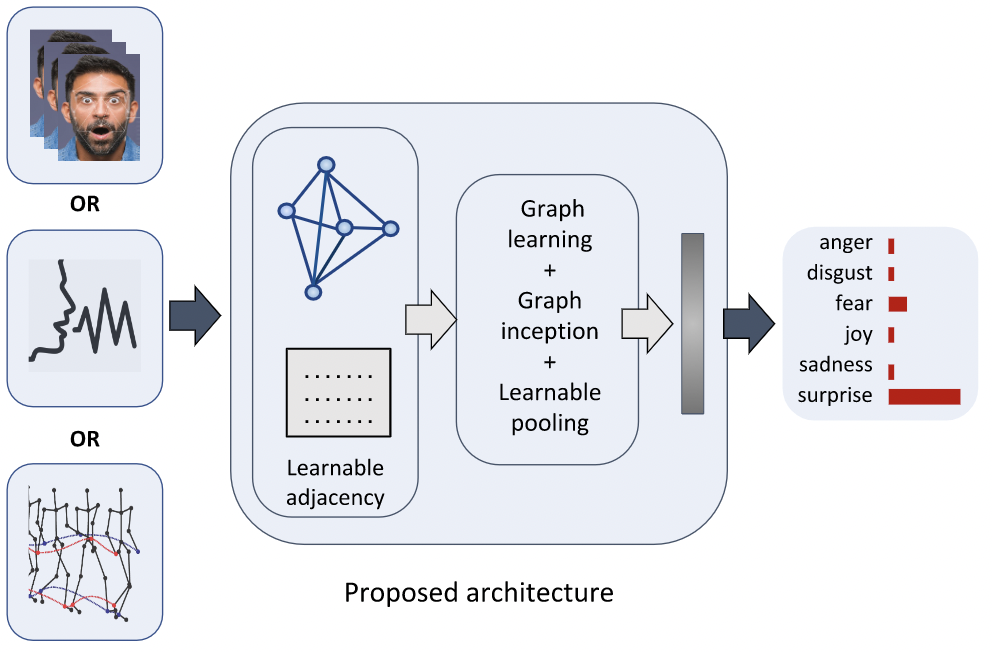
We propose a generalized approach to emotion recognition that can adapt across modalities by modeling dynamic data as structured graphs. To alleviate the problem of optimal graph construction, we cast this as a joint graph learning and classification task. To this end, we present the Learnable Graph Inception Network (L-GrIN) that jointly learns to recognize emotion and to identify the underlying graph structure in the dynamic data.
Epilepsy is a common neurological disorder, charactererized by abnormal firing of neurons. Magnetic Resonance Imaging (MRI) techniques can be integrated with machine learning methods to diagnose epileptic patients noninvasively. In this study, we use structural MRI data of 17 subjects (10 epileptic patients and 7 normal control subjects) and segment brain tissues using a Gram-Schmidt orthogonalization method and a unified tissue segmentation approach. We then compute first-order statistical and volumetric gray-level cooccurrence matrix (GLCM) texture features and train SVM classifiers for epilepsy diagnosis based on the features of the whole brain or those of the hippocampus. We achieve an accuracy of 94% using the unified segmentation method and whole-brain analysis approach.
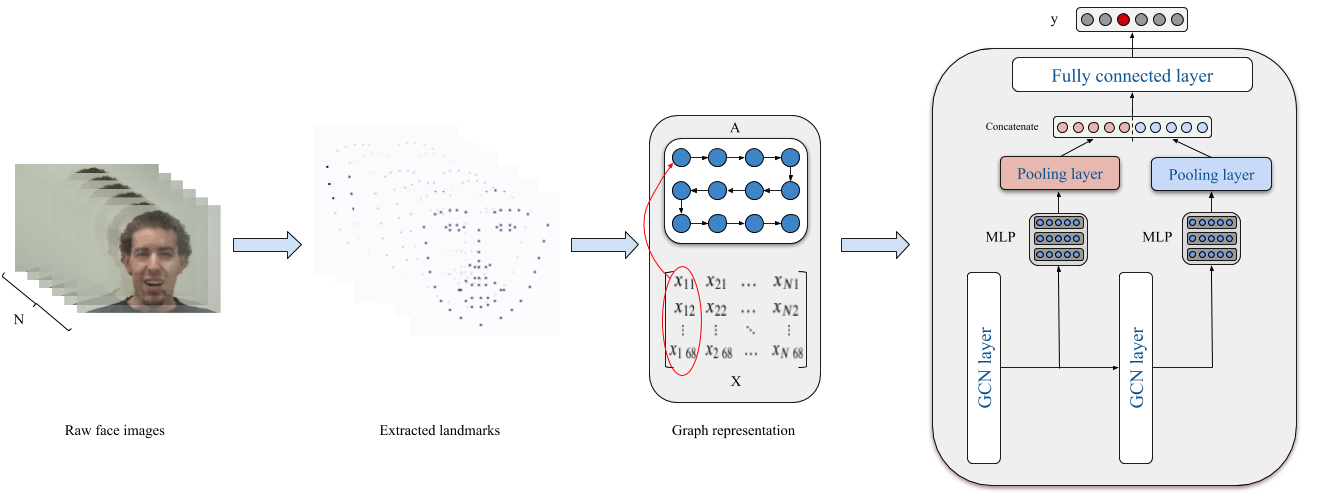
Analyzing emotion from visual cues, such as facial expressions is critical for intelligent human-centric systems. The majority of existing work on facial emotion recognition uses raw images or videos as inputs. Different from previous works, we adopt a graph approach to video-based facial emotion recognition to develop an accurate, scalable and compact architecture. We cast the problem as a joint graph learning and classification task. To this end, we propose a novel graph convolution network that jointly learns to recognize emotion and to identify the underlying graph structure.
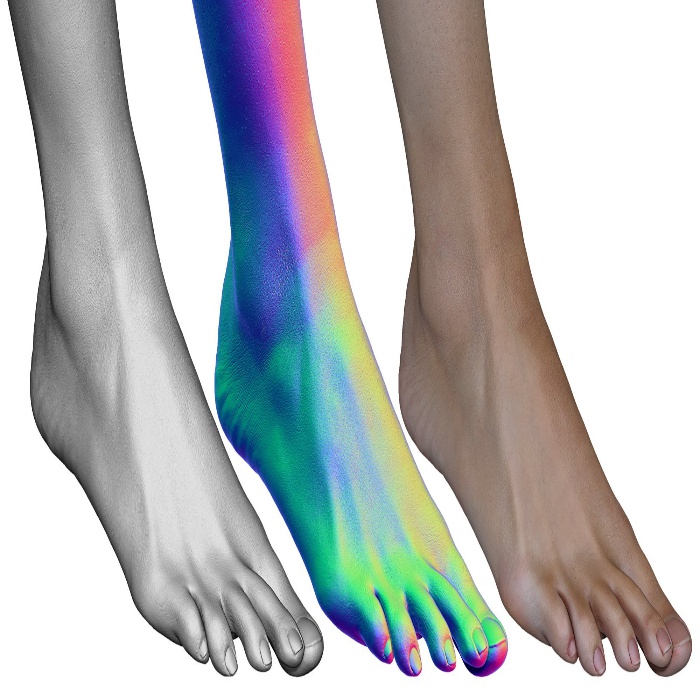
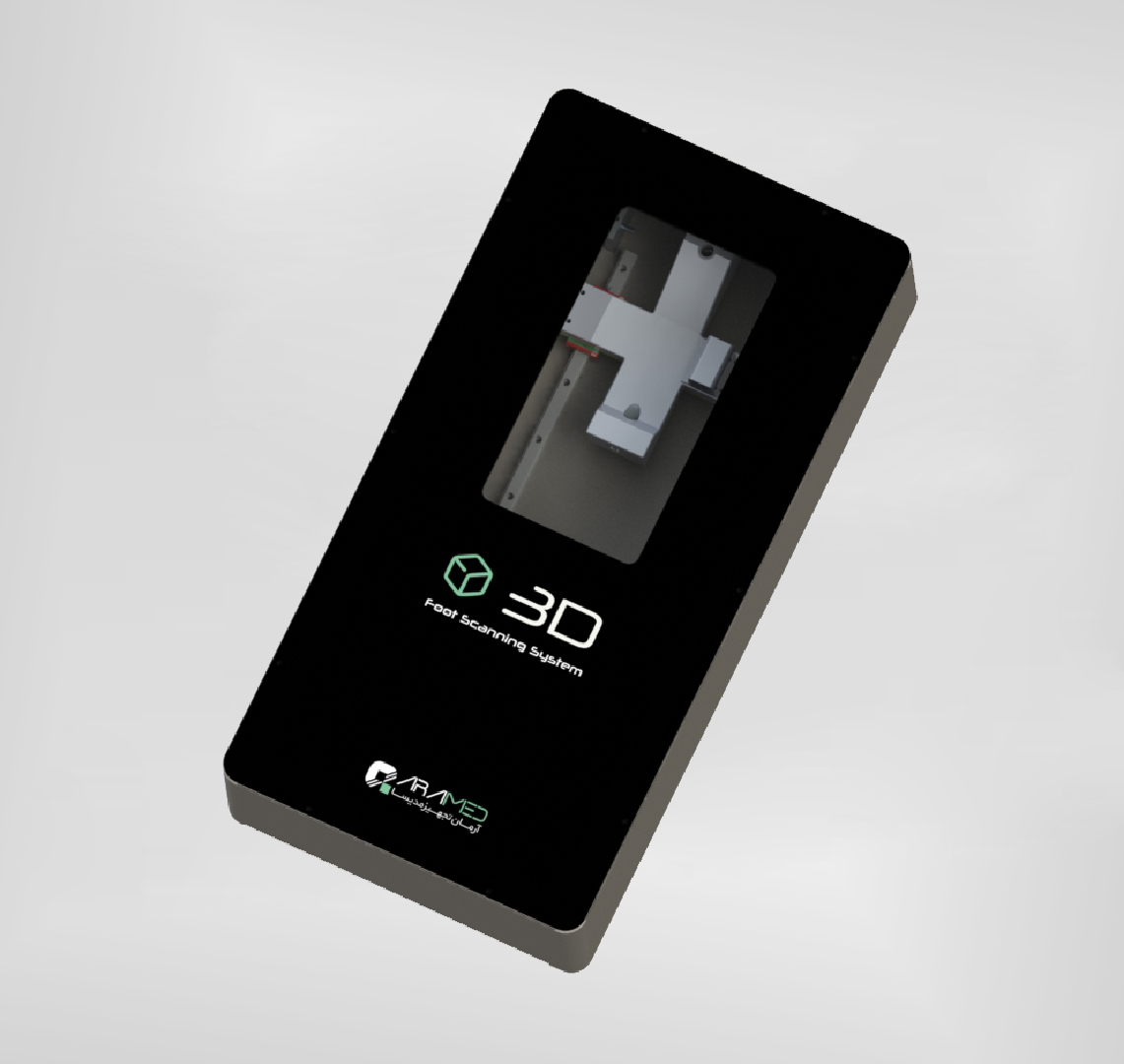
As a machine learning engineer in Aramed Co., I desigend and implemented a 3D foot scanner. For more information and buying this product see the website.
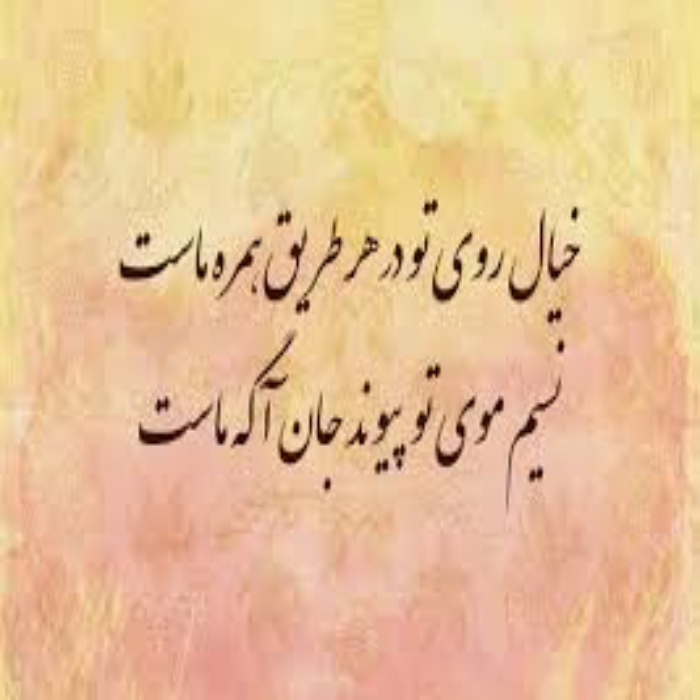
Generative models for text have substantially contributed to tasks like machine translation and language modeling, using maximum likelihood optimization (MLE). However, for creative text generation, where multiple outputs are possible and originality and uniqueness are encouraged, MLE falls short. Methods optimized for MLE lead to outputs that can be generic, repetitive and incoherent. In this work, we use a Generative Adversarial Network framework to alleviate this problem. In thi project, I trained the model on some of persian poets and let them model to generate new ones.
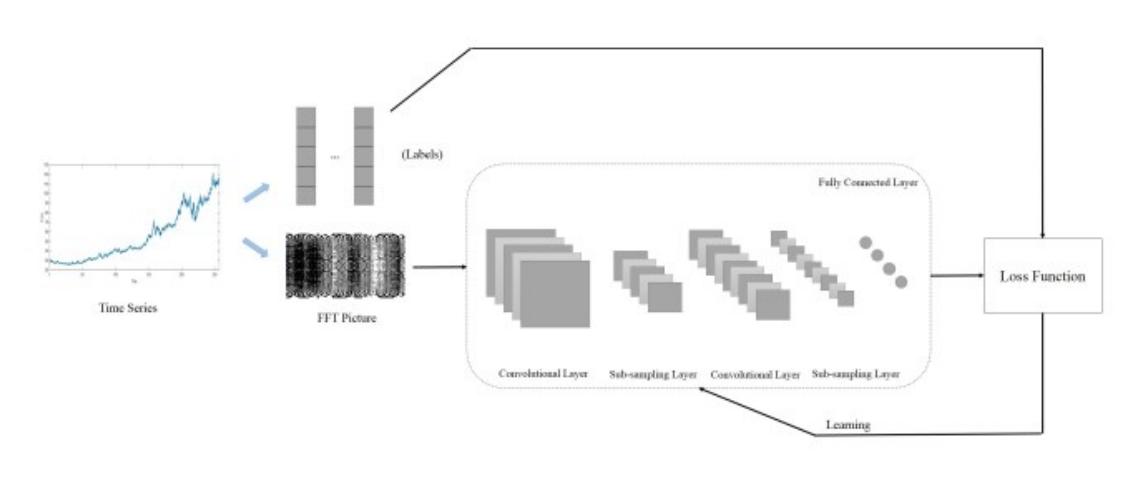
In this project we implemented a simple deep learning network to extract features from spectral domain (we converted each time series to a spectral domain) based on this paper. The processed time series is then feed into a Neural Network for prediction. In this project, we proposed a new loss function for prediction. For more information read the detailed report.
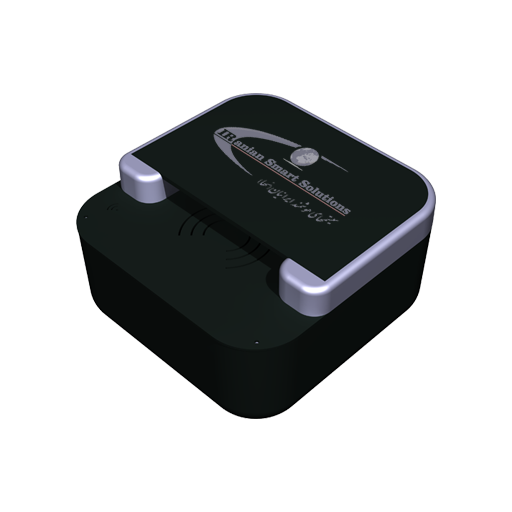
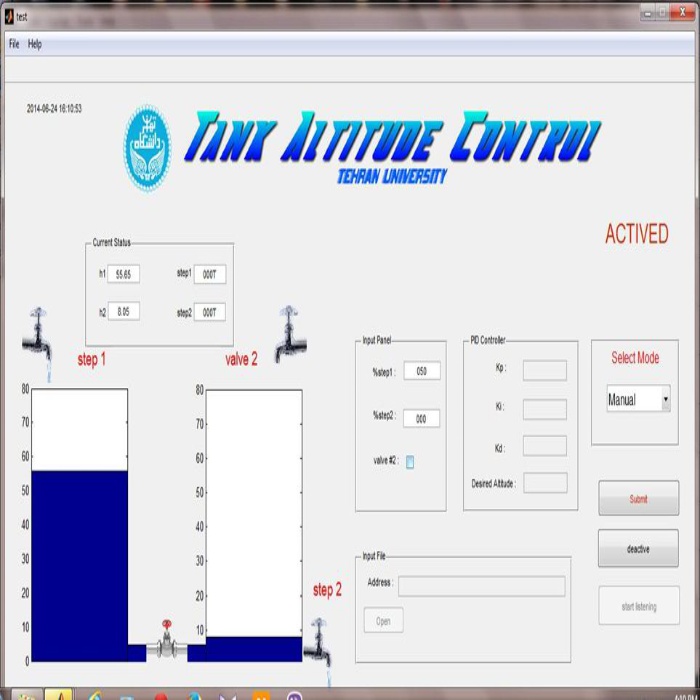
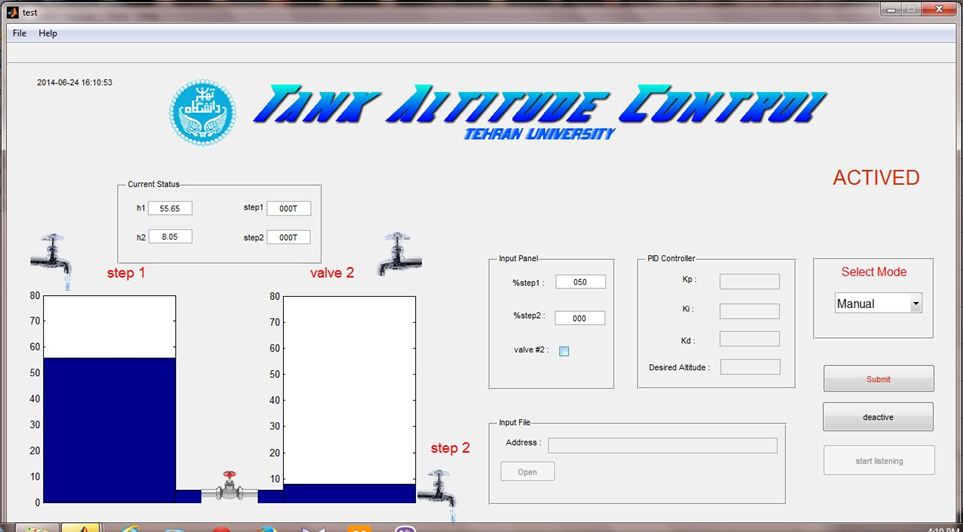
IoT or Internet of Things is a scenario in which devices around you can send data over a network without your direct involvement. When you use Tank altitude control for checking liquid levels, this device measure the level of your liquid using ultrasound module and sends out data to our website database uisng WiFi module. The website was designed using matlab. You can find how this project works Here.
Department of Computer Science, University of Warwick, Coventry, UK, graduated on Nov, 2022.
School of Electrical and Computer Engineering, University of Tehran, Tehran, Iran, 2018.
School of Electrical and Computer Engineering, University of Tehran, Tehran, Iran, 2016.